Getting a new air conditioner installed in Tucson should feel like a relief. The first few days with steady cool air are proof that the investment was worth it. But the reality for many homeowners is that the electric bill still spikes after installation. A new system can help, but it does not automatically mean low bills. Lowering cooling costs after AC installation requires deliberate choices, ongoing care, and a few behavioral adjustments tailored to the desert climate.
I’ve worked with homeowners and HVAC technicians in southern Arizona long enough to spot the patterns that raise bills. Some are obvious, like choosing the wrong system size, and some are subtle, like failing to account for attic heat gain. Below I walk through what really moves the needle on bills, what to watch for after an installation, and how to work with contractors and service providers such as Plunkett Home Services to keep costs down without sacrificing comfort.
Why bills sometimes stay high after a new AC
A new system can only do so much if the rest of the house is working against it. Common reasons bills remain high include undersized or oversized equipment, improper refrigerant charge, duct leakage, minimal insulation, and poor installation practices. Even when the equipment is right, thermostat settings, schedules, and home envelope issues determine most of the operational cost.
Another factor is timing. New systems often run efficiently for a short period, but if commissioning is rushed or the installer skips proper testing, efficiency can degrade quickly. I’ve seen installers leave refrigerant slightly undercharged because the system seemed to cool quickly during the walk-through, but that small mistake costs money over the summer.
Quick checklist you can use this week
- set thermostat 3 to 5 degrees higher when you are away during the day, and use programmable or smart schedules seal visible duct joints with mastic or UL-approved foil tape and insulate ducts in the attic add attic ventilation or a radiant barrier if attic temperatures exceed 140 degrees on hot afternoons use ceiling fans on occupied rooms and raise thermostat setpoint by 2 to 3 degrees while fans run schedule a 6-to-12 month follow-up with the installing HVAC contractor to verify refrigerant charge, airflow, and thermostat calibration
How thermostat strategy saves money without making you sweat
Thermostat choices are the single easiest lever most households can pull. On a 100 degree day, setting the thermostat to 74 instead of 72 might sound small, but that modest shift can reduce cooling energy use by roughly 8 to 12 percent over the course of a day, depending on insulation, window exposure, and occupant behavior. Smart thermostats offer setback schedules, learning algorithms, and geofencing that reduce runtime while preserving comfort when you return home.
A practical approach: program a 4-hour setback during the hottest part of the afternoon if the house is empty, but avoid aggressive setbacks that force the system to work hard to recover quickly. Recovery spikes can erase savings and stress the compressor. Instead, raise the temperature gradually one or two degrees per hour on the way up and bring it down similarly. If you have a variable-speed inverter heat pump or AC, the system will recover more gently and efficiently, which matters much more than with a single-stage unit.
Ductwork and airflow: where hidden losses hide
Duct leakage is an unseen tax on cooling. In many older Tucson homes, ducts run through the attic or crawlspace and leak conditioned air into unconditioned cavities. Leaks of even 15 percent of the supply can raise cooling costs by double digits. Sealing and insulating ducts is often cheaper than replacing the compressor or buying a higher SEER unit.
When your installer leaves, ask for a report on measured static pressure and supply/return airflow. Good installers test these and will correct imbalances. If you did not get that data, schedule a follow-up with an HVAC company near me for a duct inspection and, if necessary, professional sealing. Mastic or UL-classified foil tape is the right fix for joints; avoid standard duct tape that fails in heat.
Attic heat, insulation, and shielding
Tucson attics can hit 140 to 160 degrees on summer afternoons. That heat bleeds through ceilings, making your AC run longer. Insulation and radiant barriers reduce attic heat transfer. If your attic insulation falls below recommended R-values for the region, adding insulation can pay back quickly in lower cooling bills.
A radiant barrier installed on the attic rafters reflects a significant portion of radiant heat from the roof. It is most effective when paired with adequate attic ventilation. Passive ridge and soffit vents or a properly sized powered attic fan change the attic profile and reduce temperature extremes. There are trade-offs: powered fans can increase electricity use if left running continuously, so select models with thermostatic controls or use them only during peak heat.
Window treatments and landscaping that actually matter
Windows are the weakest part of the envelope during summer. South- and west-facing glass admit a disproportionate share of heat. Two practical, high-impact moves are exterior shading and low-e window films. Exterior roll screens, awnings, or reflective blinds block heat before it reaches the glass, which is more effective than interior curtains alone.
Landscaping is not just about curb appeal. Strategic placement of deciduous trees and shade sails can lower solar load on walls and windows. Even a well-placed tree that shades part of a west wall can cut afternoon heat gain and lower AC runtime. Expect multi-year https://callplunkett.com/ payback on landscaping projects, but the benefits compound with increased comfort and lower roof temperatures, which can extend roof material life.
Routine maintenance that protects efficiency
A new system needs routine attention. Replace or clean filters monthly during heavy use. Dirty filters reduce airflow and force the system to run longer, increasing compressor cycling and electrical demand. Coil cleaning is also important; a dirty evaporator coil reduces heat transfer and raises evaporator temperature, which can introduce moisture issues.
Plan professional maintenance visits twice in the first year after installation, then annually. During these visits technicians should check refrigerant levels, measure amperage draw, test capacitors and contactors, verify thermostat accuracy, and ensure condensate drains are clear. Find an HVAC contractor who documents these checks and gives you baseline numbers so you can spot degradation later.
Efficiency vs. Comfort trade-offs: SEER, variable speed, and zone control
Higher SEER numbers promise lower energy use, but they are not the only consideration. A 20 SEER unit will cool less expensively than a 14 SEER unit under ideal conditions, but installation quality and matching system components matter. Oversized units short-cycle and offer poor humidity control. Variable-speed compressors and multi-stage air handlers smooth cycles and improve dehumidification, which increases perceived comfort even at higher thermostat settings.
Zoning is another option. If your home has distinct living and sleeping areas, dampers and a zoning panel let you cool only the occupied zones. Zoning costs more up-front but it eliminates conditioning unused rooms. A trade-off is complexity. More moving parts means a higher chance that a damper or control needs servicing. Work with an experienced HVAC company near me to size and design zoning for your layout.
When to call for HVAC repair or emergency service
Some issues require immediate attention. Signs that you should call for HVAC repair in Tucson include freezing lines, noticeable decrease in cooling capacity, strange noises, burning smells, and rapidly rising electric bills without increased usage. Freezing often points to low refrigerant or airflow problems that, if ignored, can damage the compressor.
For urgent problems search for emergency AC repair near me with technicians who are licensed, insured, and able to provide documentation of their diagnosis. Plunkett Home Services and other reputable local contractors offer emergency response in heat waves, but make sure they provide clear pricing and explain whether repairs preserve warranty conditions.
Choosing the right contractor after installation matters
Selecting the right HVAC contractor matters just as much as the equipment. A good contractor will test and document performance, educate you on thermostat programming, and offer a clear maintenance plan. When interviewing contractors, ask for proof of licensing, references from local customers, and examples of system commissioning reports. Keep an eye out for overly aggressive sales pitches promising that a single change will slash bills by 50 percent. Realistic savings are significant but rarely immediate or singular.
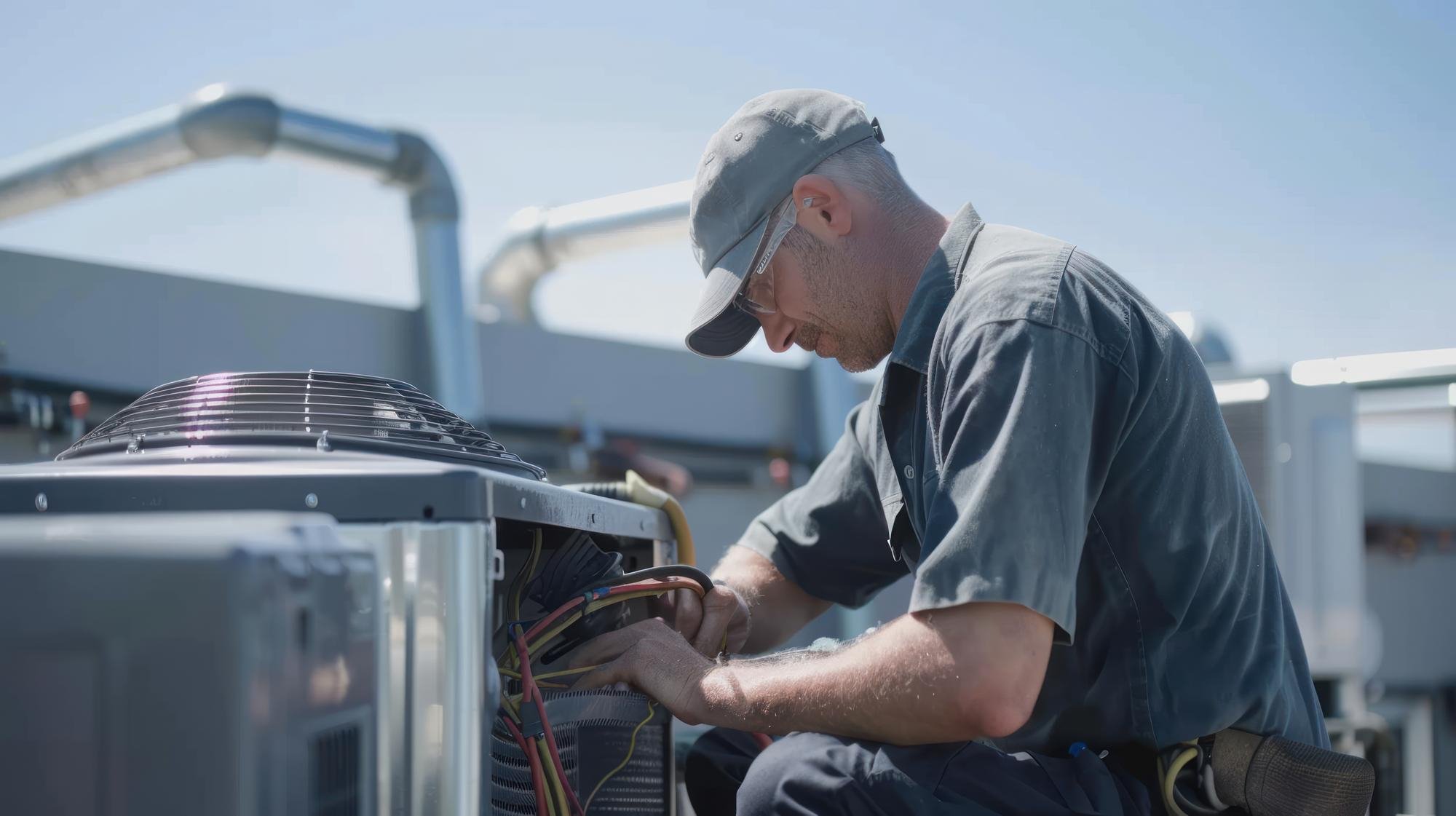
If your system was installed by a contractor who is no longer available or the job was inconsistent, a second opinion is reasonable. Request a performance test: the technician should measure delta T across the evaporator coil, static pressure in the ducts, and refrigerant head and suction pressures. These numbers tell the real story about system performance.
Incentives, rebates, and financing that reduce net cost
Tucson and Arizona utilities, plus federal tax programs, sometimes offer rebates for high-efficiency equipment and heat-pump conversions. Check current local utility programs and clean energy incentives before signing for new upgrades. Rebates can take the sting out of a higher-SEER system or the cost of adding a smart thermostat. Contractors can often help you navigate paperwork, but verify rebate terms yourself.
If upfront cost blocks efficiency choices, consider financing through the contractor or a third party, but run the numbers. A long loan at high interest can erase operational savings. Aim for loans where the monthly payment increase is less than the expected monthly savings from lower energy bills.
Common mistakes that raise bills after installation
- letting filters go dirty for weeks, which reduces airflow and efficiency failing to seal and insulate ducts, especially in attics and crawlspaces using a thermostat in an interior location that does not represent living spaces tolerating short cycling that signals oversized equipment or airflow problems ignoring compressor and refrigerant checks during the first service interval
Behavioral changes that matter more than you think
Small daily habits add up. Closing blinds and shades before noon on the west side, running dishwashers and dryer during cooler morning or evening hours, and keeping interior doors open for better airflow in single-zone homes all contribute. Ceiling fans let you raise the thermostat by 2 to 4 degrees with minimal comfort loss, since moving air makes skin feel cooler.
If you are away for long stretches, avoid extremely low setback temperatures that force the system to work hard when you return. For houses with pets, maintain a safe but higher setback temperature and use fans to keep air moving.
A short homeowner anecdote
A client of mine in central Tucson installed a 16 SEER unit and still saw high bills. The installer had not sealed attic ducts and left the thermostat in a hallway with no direct sun, but the living room was drawing heat from unshaded west-facing windows. We sealed the ducts, added R-19 insulation to a portion of the attic, and installed a simple patio awning over the west windows. Within two months the household’s monthly cooling bill dropped by about 18 percent. The upfront fixes cost less than a single month of the earlier bills. This is typical: targeted fixes often beat equipment swaps when other elements are wrong.
When upgrades are worth it
If your system is more than 12 years old, or if you plan to stay in the house for five to ten years, upgrading to a high-efficiency inverter system and improving insulation and ductwork can pay back in reduced bills and increased comfort. Heat pumps that both cool and heat can be especially economical if you rely on electric resistance heating in winter. But if your home has major envelope issues, investments in insulation, windows, and sealing should come before upgrading the AC for the best return.
Work with local pros you can trust
Finding the right service partner is essential. Look for contractors with strong local presence, clear documentation, and a willingness to show you commissioned test data. If you search for HVAC Service Near Me or HVAC repair, filter for businesses that provide written guarantees and have positive local reviews. Plunkett Home Services is an example of a local provider that offers installation, repair, and maintenance; check credentials and ask how they document system performance after installation.
Final practical checklist before the next cooling season
Before the next summer season, schedule a professional tune-up, check attic insulation and duct sealing, install or reprogram your thermostat for smart setbacks, add shading to west-facing windows, and build a homeowner maintenance schedule for filter and coil checks. These steps together reduce the odds that a new installation will translate into a disappointing electric bill.
Lowering cooling bills after an AC installation is not a single fix. It is the result of right-sized equipment, careful installation, duct and envelope attention, reasonable thermostat strategy, routine maintenance, and small behavioral shifts. Take a methodical approach, prioritize low-cost, high-impact changes, and work with a trustworthy HVAC contractor to protect both comfort and the investment you just made.
Plunkett Home Services
3144 E Fort Lowell Rd, Tucson, AZ 85716, United States
+1 (520) 808-2743
[email protected]
https://callplunkett.com/